

Hello fellow scientists! Please allow me to introduce myself – I’m Charlene (I go by Charlie) Lieu, the new volunteer Executive Director (ED) of Darwin’s Ark Foundation.
I started with Darwin’s Ark in 2017, before it was an independent non-profit and spent a good part of the year helping to take Darwin’s Ark from an idea to reality. Before coming to Darwin’s Ark I was trained as a computational data scientist and operational strategist. My first job out of college was as a bioinformatician on the team that sequenced the very first human genome. I have been doing genome related work ever since for two decades.
I thought I’d talk to y’all about the two concepts that form the foundation of everything we do at Darwin’s Ark: open science and citizen science.
Open science
First and foremost, Darwin’s Ark is committed to the concept of open science. The term may sound vague, but it’s a fairly simple guiding principle. Open science simply is an approach to science in which all the products are released into the public domain so that any researcher can collaborate and contribute. This means that data, methods, processes and outputs are made freely available to the public, under terms that enable reuse, redistribution, reproduction and expansion of the research. The whole idea is that human knowledge is built on top of each other; thus, knowledge we acquire should be free and available to everyone. We believe science advances more quickly when all the available data is publicly accessible. This doesn’t mean your personal data would be shared—we protect privacy by making the data anonymous or sharing the results in aggregate.
Citizen science
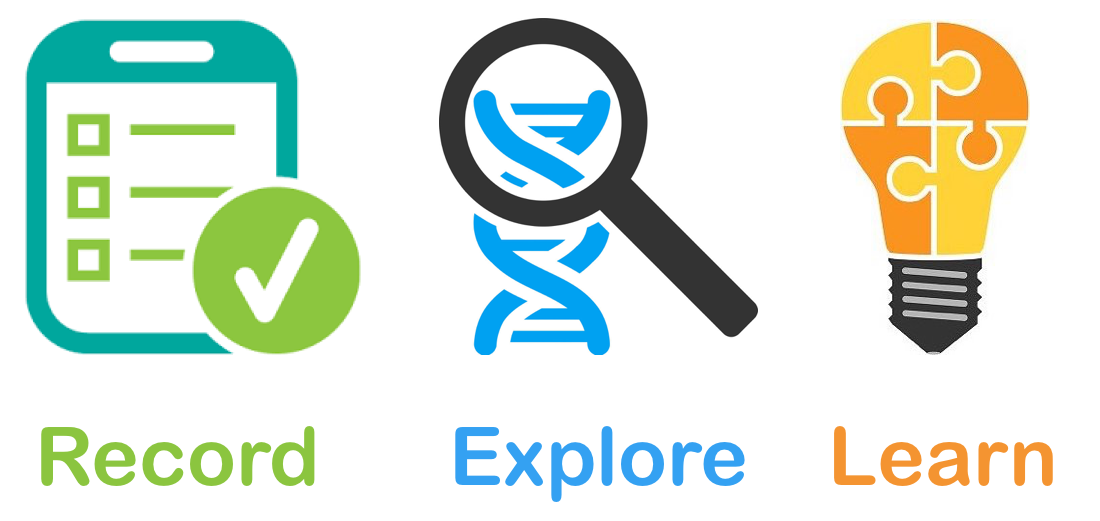
By extension, citizen science (also known as community science or crowd-sourced science) is the idea that anyone can contribute to science, not just those who who are highly trained or hold PhDs in the field of study. Lay(wo)men—adults, teens, even children—can record observations, explore results and learn by analysis. Citizen science operates under the principle that given common context, tools and frameworks, data collection and results analysis can be done by anyone, anywhere who has the same tools. Citizen science propels research advancements in a way that can not be otherwise achieved. You can learn more about citizen science by listening to “Citizen Science: Everybody Counts” by Caren Cooper.
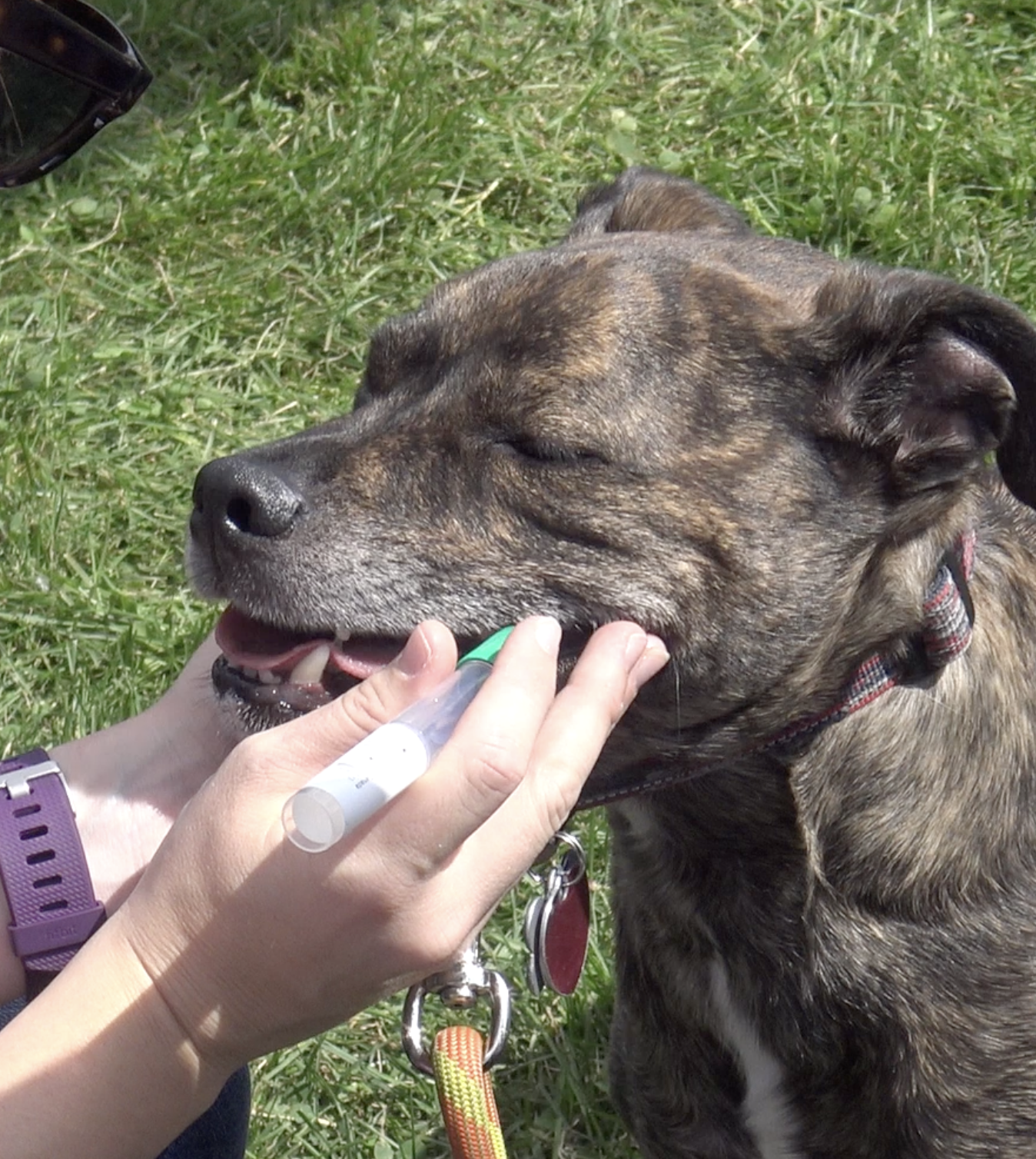
At Darwin’s Ark, we believe that the ability to practice science is everyone’s right, and the knowledge we acquire belongs to humanity as a whole. So we built tools for anyone who wishes to participate to do so, and we put our results in the public domain so anyone can access it. This means that when you sign up on the Darwin’s Ark platform, you are tapping into the tools available to professional scientists: surveys for collecting data, swabs to collect DNA, and vendors who can process the samples and produce outputs for us to review and analyze. It also means that the data you collect will be anonymized and made available to other scientists to help people understand complex diseases or aging or other biological mechanisms.
Open science and citizen science are not new concepts, but with the advent of computers and internet, we can implement these systems and tools more effectively and make them more accessible. We hope the idea of being able to advance science in an unprecedented way excites you as much as it excites us. We truly believe enabling science with open citizen science will change the world by revolutionizing research, and make access to knowledge more equitable. We are thrilled to set sail on this journey and see where we can go together, and I hope you are too!