

Cat Ancestry
Cat ancestry—the genetic story of how cats spread around the world and how they are related—is one of the first areas we’re exploring through Darwin’s Cats. We’re learning that cat ancestry, much like human ancestry, is strongly linked to geography. For most cats, breed plays little to no role.
To estimate ancestry, we compare a cat’s sequenced genome to an ancestry reference panel of 591 cats, including representative domestic cats from geographic regions and recognized breeds, as well as several wild cat species. Their genomes provide reference points that help us identify similarities and estimate a cat’s genetic origins. As we sequence more cats and expand our reference panel, we’ll build a richer picture of cat genetic diversity and improve our ancestry estimates over time. (See our Scientific Methods Overview for more information on how we estimate cat ancestry.)
Our initial research has identified four broad ancestry stories. These stories help us understand how an individual cat’s DNA fits into the larger picture—from deep place-based roots to breed ancestry to multiple origins—and what genetics can teach us about cats’ shared history.
Ancestry Stories
Uncharted Territory
Cats with ancestry that is a bit of a mystery
3.4% of Darwin’s Cats
66 of 1,958 cats
Regional Roots
69.1% of Darwin’s Cats
Cats with Regional Roots ancestry are estimated to have at least 70% of their genetic roots from one or two geographic cat populations. Their genetics are most similar to cats born in those areas, suggesting they come from a long line of place-based cats. Most Regional Roots cats have little, if any, breed ancestry. As the largest ancestry cohort in Darwin’s Cats, Regional Roots highlights a key difference between cats and dogs in the United States: breed best explains the ancestry of most dogs, while birth location best explains the ancestry of most cats.
Occasionally, a pedigreed cat may have ancestry estimates that point to Regional Roots when its breed is not yet represented in our reference panel. In those cases, the estimation model often identifies the geographic origins and other cat populations that helped shape the breed rather than identifying the breed itself. For example, our estimates for Turkish Angora cats show strong roots in the Middle East and Eastern Europe.
Darwin’s Cats is the first research initiative to map cat genetic populations by geographic regions across the United States. Our understanding of regional cat populations will grow as we sequence more cats and learn more about the ancestry of place-based cats. Our initial sequencing cohort included some international cats, but not enough data to map world regions with confidence. The three international regions that did emerge are very broad, such as Northern Europe. As we sequence more cats, especially internationally, we hope to tell the ancestry stories of Regional Roots cats worldwide.
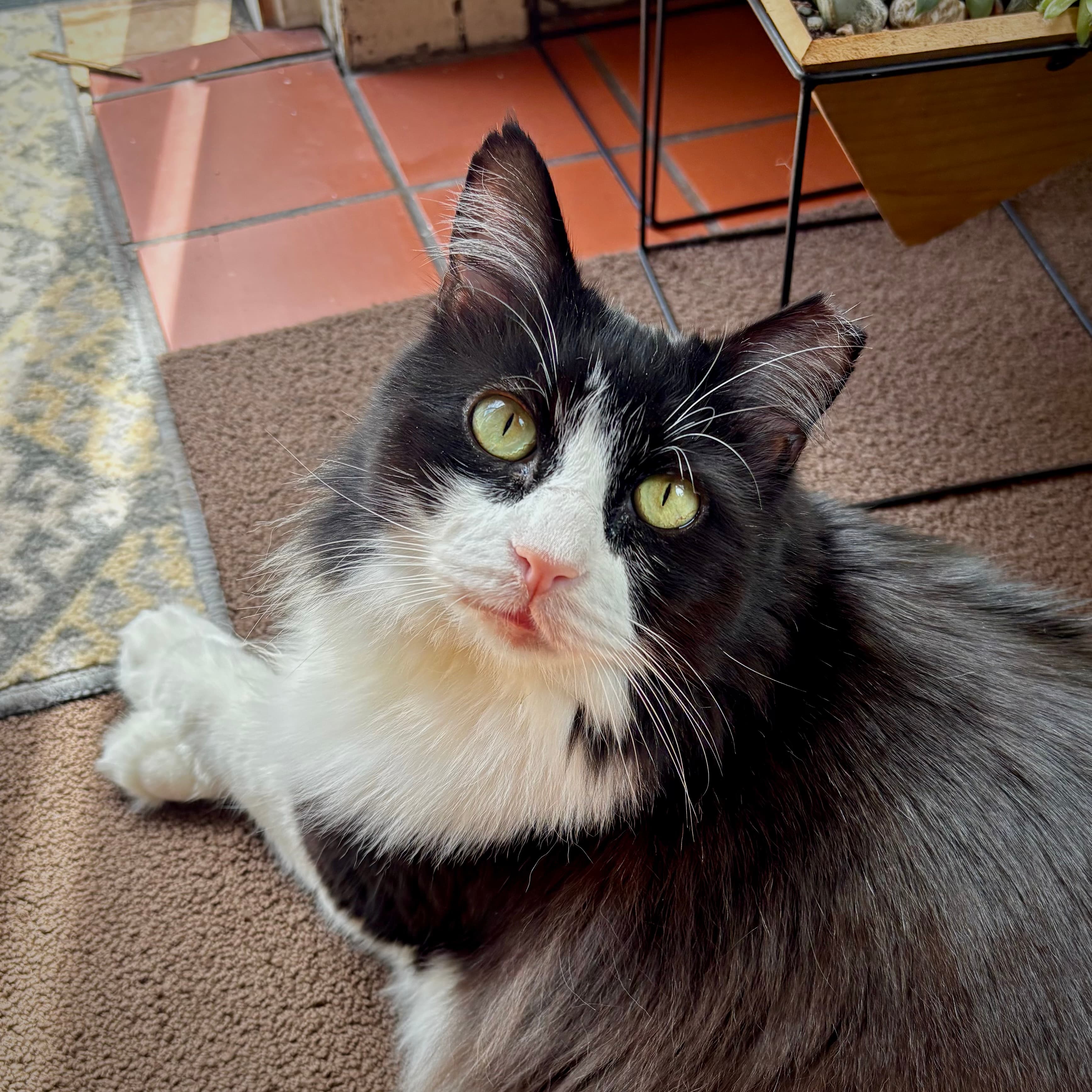
Darwin’s Cat Spotlight: Gus
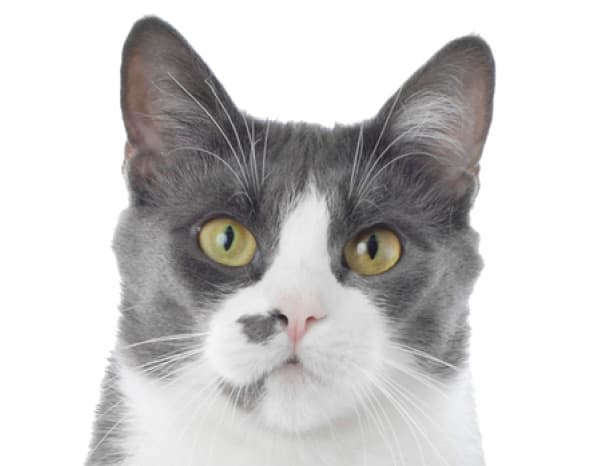
Meet Gus, a tuxedo cat in Washington state who's never met a stranger. He may be busy making friends in the Pacific Northwest now, but his DNA tells a different story—one rooted far from his current home. Gus’s genetics closely match those of cats born in the Gulf Coast region, which makes sense given he was born in Texas. Best guess? He comes from a long line of Lone Star State felines.
Gus’s Regional Roots Ancestry
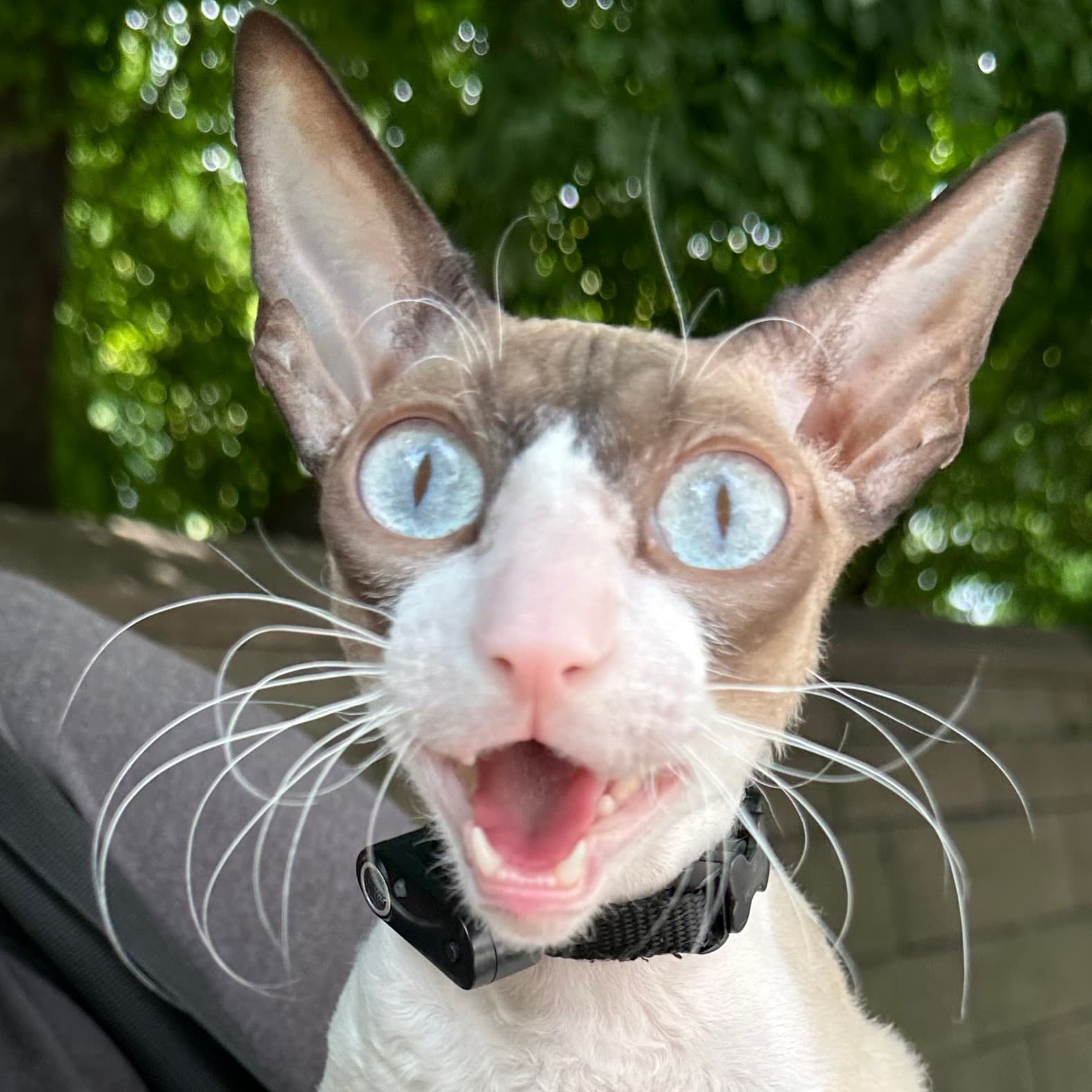
Darwin’s Cat Spotlight: Piye
Meet Piye, an inquisitive and agile Cornish Rex who loves strolling through New York’s Central Park. While the Cornish Rex breed is not yet included in our ancestry reference panel, Piye’s estimates do reflect the breed’s geographic origins: deep roots in Cornwall, England, along with genetic connections to breeds with Asian ancestry, including Oriental and Burmese.
Piye’s Regional Roots Ancestry
What are Darwin’s Cats’ regional populations?
Our initial ancestry analysis has identified 13 regional cat populations across North America, along with three broader international populations. These are our first estimates of genetically distinct, place-based cat populations, but they are not fixed boundaries. They reflect our early analysis of genetic differences among cats living in different geographic areas. As we sequence more cats and our understanding of cat ancestry grows, we expect the number, size, and shape of these regions to change. Cats that were born in places bordering multiple regions, or between regions, often have ancestry estimates from multiple adjoining regional populations.
Rich Tapestry
20.2% of Darwin’s Cats
Cats with Rich Tapestry ancestry share genetic similarities with cats from several populations. This suggests their ancestry is connected to multiple geographic populations, recognized breeds, or both.
Our understanding of cat genetic populations is still in the early stages, and many Rich Tapestry cats’ ancestry estimates will likely change as our models improve. For example, some Rich Tapestry cats show prominent connections to a few populations, along with much smaller contributions from several others. These smaller signals may be part of the cat’s ancestry story, or they may reflect ancestry from populations that are not yet well represented in our reference panel.
When a population is underrepresented in our reference panel, our estimation model will assign some of a cat’s ancestry to the closest matching population. Those populations may be the best matches we have today, but they may not accurately represent the cat’s true ancestry.
Sequencing more cats, especially those from underrepresented geographic regions and breeds, will help us expand our reference panel, improve our ancestry estimation model, and better understand the genetic diversity and the ancestry of Rich Tapestry cats.
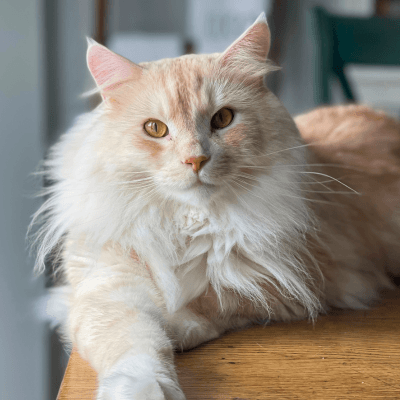
Darwin’s Cat Spotlight: Maverick
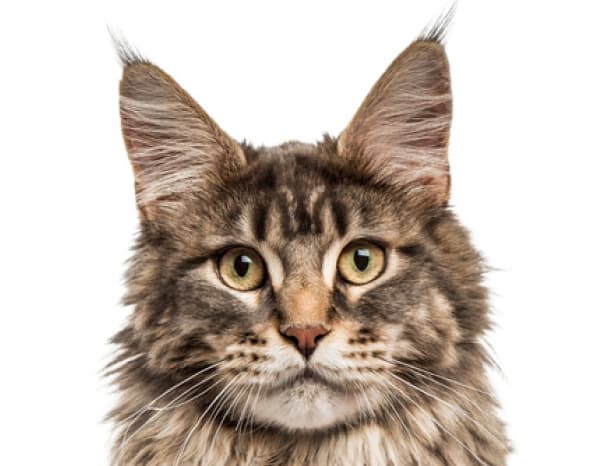
Meet Maverick, a long-haired cat from upstate New York who is a gentle giant. With luscious locks and distinct ear tufts, we’re not surprised to learn Maverick shares ancestry with Maine Coons, but that’s not his whole story. Maverick also has hometown roots in the Northeast U.S., along with some shared ancestry with Ragdoll cats.
Maverick’s Rich Tapestry Ancestry
What are other examples of Rich Tapestry ancestry?
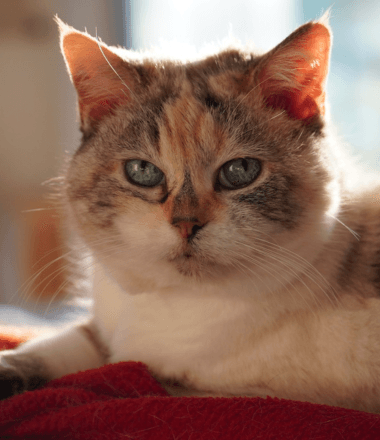
Each Rich Tapestry cat’s ancestry is wonderfully unique, but for some cats, we may not be seeing the full picture—at least not yet. Below are ancestry estimates for two Rich Tapestry cats, whose ancestry estimates show a few relatively clear genetic roots but also have a lot of “other,” small-percentage estimates with lower confidence. Arnold, a Miami cat known to strike fear into the local raccoon population, shows strong genetic roots in Florida, plus small contributions from 12 other populations. Luna, a gentle soul who loved lap time, shows significant genetic similarities to one breed population and two regional populations alongside small contributions from eight other populations. As our models improve and our reference panel grows, we expect the clearest parts of their rich tapestry to remain that way, while the rest will evolve as we build a more complete picture of cat genetic diversity.
Arnold
- 49%Lower South Atlantic
- 10.2%Northeastern Core
- 40.8%Other
Luna
- 38.2%Exotic, Himalayan, & Persian
- 20.9%Central US
- 11.7%Gulf Coast
- 29.2%Other
Breed Legacy
7.3% of Darwin’s Cats
Cats with Breed Legacy ancestry have at least 85% of their genetic roots connected to cat breeds. Some are pedigreed, while others have shared ancestry with two or more breeds. Unlike Regional Roots ancestry, which is best explained by geography, Breed Legacy ancestry reflects the generations of selective breeding that created the distinct cat breeds we know today.
Our ability to estimate breed ancestry depends on the pedigreed cats represented in our reference panel. Some breeds are not yet included, while others are represented by only a few cats. Without enough high-quality genetic data from a breed, our model may assign ancestry to closely related breeds instead. This is especially true for newer breeds created by combining existing cat populations.
For example, Savannah cats originated in the 1980s by crossing wild African servals with domestic cat breeds, including Bengal, Siamese, and Egyptian Mau. Because our reference panel currently includes only a few Savannah cats, pedigreed Savannahs may show ancestry connected to these origin populations or other shared-ancestry breeds instead. As we sequence more purebred cats and strengthen our reference panel, we expect to provide more accurate breed ancestry estimates and develop a clearer picture of the genetic differences among recognized cat breeds.
Darwin’s Cat Spotlight: Ella
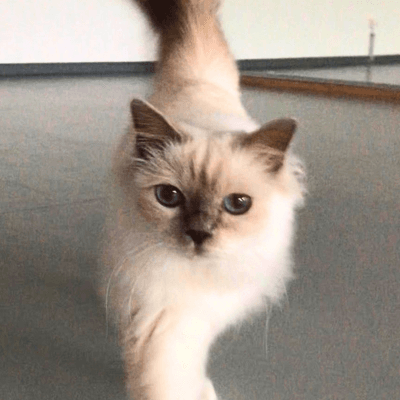
Meet Ella, an adventurous Brooklynite who happily accompanies her owner, Lili, everywhere she goes—from parks to beaches to the NYC subway. Ella’s mother was a stray who invited herself into a warm and welcoming home just 24 hours before giving birth. Strays’ origin stories are usually shrouded in mystery, but Ella’s ancestry insights revealed quite the surprise: her ancestry is 100% Birman!
Ella’s Breed Legacy Ancestry
Which cat breeds are included in our reference panel?
Our initial ancestry reference panel includes cats from 21 breed populations. In a few cases, we have grouped several recognized breeds into a single population because our ancestry models cannot yet identify enough genetic differences to reliably distinguish between them. As we sequence more pedigreed cats and expand our reference panel, we expect to add more breeds and develop a more detailed understanding of the genetic differences among breeds.
Uncharted Territory
3.4% of Darwin’s Cats
For cats with Uncharted Territory ancestry, the pieces of the genetic puzzle don’t quite fit together. Their ancestry estimates include a mix of geographic regions and breeds that don’t align with what we know about them—most importantly, where they were born. That doesn’t mean every part of an estimate is wrong, but enough pieces are out of place that we don’t yet have high confidence in the overall ancestry story.
What’s going on? Most likely, our ancestry estimation model doesn’t have enough genetic data from cats with similar ancestry. When that happens, the model still searches for the best available matches in our reference panel. It may piece together ancestry from multiple populations that share genetic similarities but don’t accurately represent the cat’s origins. Many Uncharted Territory cats come from parts of the world where our reference data is limited. Others may have ancestry from cat breeds or other genetic populations that aren’t yet represented.
These cats can help us identify important gaps in our understanding of cat genetic diversity. By sequencing more cats—especially from underrepresented regions and breeds—we can fill those gaps, strengthen our reference panel, and begin putting Uncharted Territory cats on the map.
Darwin’s Cat Spotlight: Nala
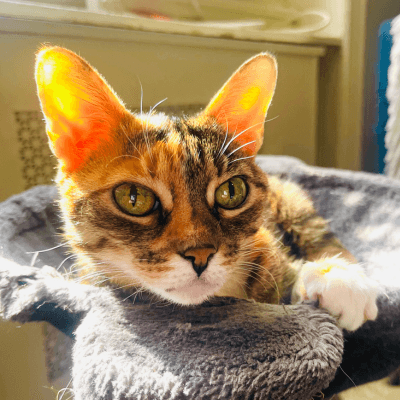
Meet Nala, a Washington, D.C. tabby cat who is full of surprises—ancestry and otherwise. The youthful way that she zooms after her toys makes it hard to believe that she’s 15 years old. And because Nala was born in Guyana, South America, her ancestry estimates are also a surprise. They largely point to a mix of U.S. regions, which were the best available matches in our ancestry estimation model, but likely not the right match. South American-born cats are not well represented in our ancestry reference panel, so we can’t reliably estimate the ancestry of cats like Nala…yet. But sequencing Nala and other internationally born cats will help put their Uncharted Territory on the map.
Nala’s Uncharted Territory Ancestry
What other cats would we like to put on the map?
Loki
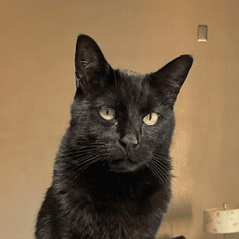
Meet Loki, mischievous cat who lives up to his name. He was born in New Mexico, an area of the U.S. that needs more representation in our reference panel. As a result, his ancestry estimates show a mix of contributions from surrounding regions, along with 15% unknown. What’s going on? While our reference panel contains many U.S. born cats, there are still regional gaps. Most likely, Loki’s part of a New Mexico population that is underrepresented in our reference panel. Are you a New Mexico cat? Loki would love for you to join him in our Darwin’s Cats research!
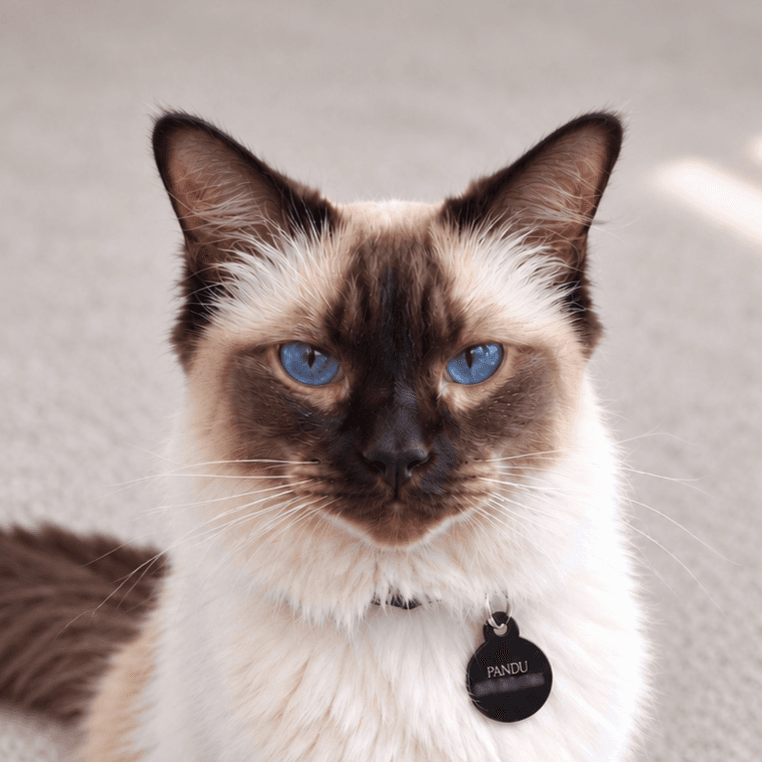
Pandu
Meet Pandu, a Balinese cat who lived his best life to the ripe old age of 21. Balinese cats are a rare breed and are not yet part of our reference panel. As a result, Pandu’s ancestry estimates don’t include his breed. Instead, they include other breeds that, like the Balinese, share ancestry with Siamese cats and other cats originally from Thailand. As an uncommon breed, there is still a lot to learn about the Balinese genetic population. Pandu did his part, but we need more cats like him to join our journey of scientific discovery.
For more information on how we estimate cat ancestry, see our scientific methods paper. It explains how we compare each cat’s genetic data with cats from 42 reference populations to identify the mixture of populations that best models that cat’s genetic patterns.