

If you have ever loved an animal, you know they have an extraordinary way of being a constant positive presence when everything else around you is shifting.
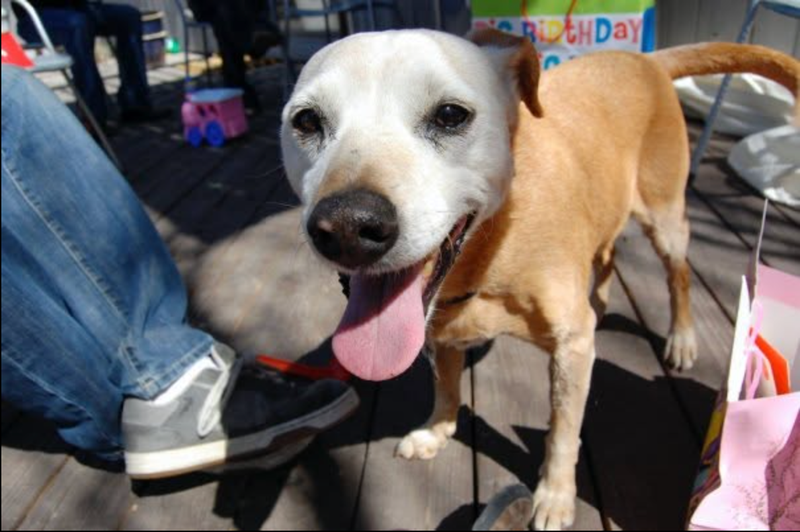
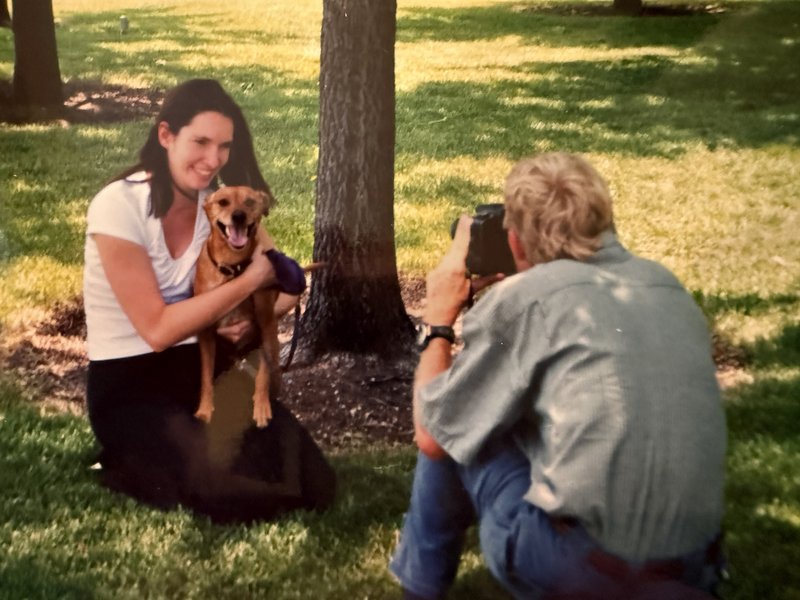
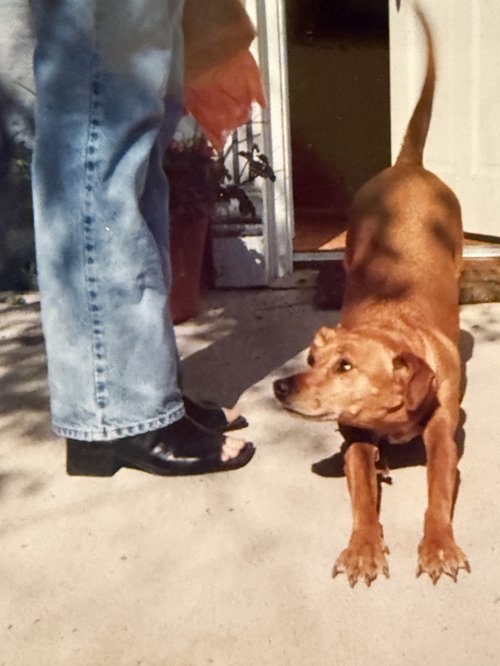
My love for animals started as a child with my cat and closest companion, Herbie. Years later came Chewy—my first dog, and without a doubt the smartest dog I’ve ever known. Chewy moved with me across five different cities and three states, by my side through some of life’s biggest transitions. But like far too many of our beloved animal companions, Chewy’s life was cut short by cancer.
Losing Chewy didn't just break my heart; it made me furious that we still knew so little about the diseases that take our pets from us. It also underscored how much more scientific attention our pets deserve.
Pet health research has long faced challenges of small sample sizes and limited resources. Darwin’s Ark was built to give animal health the focus and scale it deserves. Being part of a community that refuses to accept the status quo is one of the reasons why I’m so proud to be here.
Building on our founders’ vision
When I first met Darwin's Ark's founders in 2018, I was deeply moved by their passion and commitment to doing things differently. They saw a gap in how science was being done and brought pet owners in as true research partners. I am deeply grateful for their vision and the foundation they built.
That vision remains at the heart of Darwin’s Ark today. Scientific progress requires rigorous science, sustained investment, and collaboration with pet owners. In animal health, many of the questions we most want to answer also require something that has historically been difficult to achieve: scale.
Over the past 10 years, Darwin’s Ark has grown into a pet-powered community driving scientific understanding and innovation through collaboration. Our work is more than a single project or initiative.
Why scale matters in pet health research
Traditional animal health studies often face practical limits on study size, including the costs and challenges of recruiting animals, providing care and conducting laboratory work. Smaller studies can provide important insights, but complex biological questions require much larger populations.
Understanding how genetics influences traits, behavior, and diseases requires scale. We need thousands of cats and dogs contributing data to detect subtle genetic variants and map complex traits. By pairing genomics with robust pet owner-reported behavioral and health observations, Darwin's Ark can build large datasets that complement traditional research and help scientists investigate complex questions in new ways.
None of this works without data sharing. A single pet's genetic profile or health history, on its own, can only tell us so much. It's when thousands of pet owners choose to share that same kind of information, and an organization’s dedicates itself to serve up this data as part of a common resource to be shared that patterns start to emerge that no single study could ever reveal on its own. Every dog and cat in our database makes every other dog and cat's data more valuable. That's the quiet power behind everything we do: scale isn't just about the number of pets enrolled, it's about how many people are willing to share what they know about the animals they love, for the benefit of animals they'll never meet.
The patience of science and the thrill of innovation
Science can be slow. Meaningful discovery takes time, patience and a community of people working together over many years.
At the same time, we are finding new ways to move science forward. Take our fur sequencing innovation — a milestone we're all tremendously proud of, and one that reaches beyond feline genetics. The method can also support wildlife genetics research, extending its impact well beyond our own work. As we continue refining the process in the lab, we'll transition to saliva swabs for use in community science. This is exactly the kind of innovation Darwin's Ark was built to pursue.
Open science is central to Darwin’s Ark. Pet owners share data with us, and in turn, Darwin's Ark is committed to sharing our research as a resource for other scientists. When we share what we learn openly, rather than keep it locked inside our own institution, we advance discovery more quickly—multiplying the number of questions that can be answered with it and supporting new studies far beyond anything our team alone could pursue. I believe this is something every scientific nonprofit should be committed to: our mission isn't to hoard knowledge, it's to advance it, and that only happens when we make what we learn available to the researchers, organizations, and communities who can build on it. And because pets share our homes and so much of our biology, what we learn can advance health for both animals and humans.
We don't take that trust lightly. Every pet owner who shares information about the animal they love is trusting us to use it well, and that trust is something we work to earn back through transparency: about how the data is used, what we're learning, and what we still don't know.
Why we need you (and your dogs and cats!)
To answer those complex questions about pet health and biology, we need data from dogs and cats across the full spectrum of life:
- Young and old
- Healthy and sick
- Purebreds and mixed breeds
- From all over the U.S. and as we grow, the world
Every pet contributes something valuable to the bigger picture. Healthy pets are just as important to include as pets facing health challenges because researchers need both to understand what contributes to health and disease. A healthy two-year-old dog tells us just as much about genetic resilience as a senior cat navigating a health challenge. And we simply cannot achieve this scale without community scientists – that’s you!
Each piece of data you share becomes part of our shared dataset, it becomes a resource other researchers can draw on too, for questions none of us have even thought to ask yet.
I am thrilled to share that we are officially resuming dog sequencing this fall! This next phase will allow us to scale our impact even further, bringing thousands more community scientists and their pets into our collaborative science pipeline.
Where we go from here
As I take on this role, I am committed to honoring the legacy of our founders, protecting our nonprofit mission, championing open science, and giving our community more opportunities to help move this work forward.
I also want to hear directly from you:
- What questions or discoveries are you most eager to see us pursue?
- How can we make your journey as a community scientist even more rewarding?
- How can we better share our discoveries back with you?
Everything we do at Darwin’s Ark comes back to the Herbies and Chewys of the world, the pets who teach us, stay by our sides, and inspire us to answer us to keep searching for better answers.
I would love to hear from you in the form linked above. Please say hello, introduce your furry co-researchers, and tell me: Who is the pet that inspired you to fight for better science?
Thank you for welcoming me. I am honored to be part of this community and excited about what we can discover together.

